Your written words can have a far greater impact, so long as you know how and where to frame them. Here’s how framing works, including an example from a few hours ago.
I had a coffee after dropping my son off at university. While my cappuccino was being made, a piece of an idea came to me. So, I grabbed a napkin to jot it down.
The piece of an idea was for a client of mine. He’s the managing director of a well-known packaging company. I was playing with some words regarding environmentally friendly packaging.
Our team will help you produce packaging that disappears with grace, not guilt.
It was only after putting my glasses on to start writing, that I noticed the ‘100% recycled’ stamp on the flip side of the napkin. So, I framed my words with the stamp.
Though this was just a part of an idea and didn’t make the cut, the fact that it was framed on a recycled napkin gave it impact.
It caught the barista’s attention.
He then took a photo of it to show to the manager.
She shared it on the company’s social media accounts.
I shared it with a few friends, again, there was far more interest than a poorly-written note deserved.
It was the framing that made all the difference. It was also the story behind the framing of the words, which made it interesting enough for me to share with you.
The wording of the note itself was garbage. Think what would have happened, if that was the finished, creative idea!
Make it work for you
Now imagine yournext important message. Something you want people to take notice of.
Once you’ve decided what you want to say, give your creativity a chance to shine. Think of the best ‘thing’ to frame your message on. And how best to share it.
For example, on the palm of your hand. Then take a photo of it, with your palm facing forward as if to signal STOP! That could work, if you’re protesting against something and have a short message. It would work on social media, too.
Look for a creative connection. Get the framing right and it will massively multiply the impact of your message.
It struck me earlier: time is not your enemy. It’s your editor.
As the husband of a best-selling author, I know the role editors have in making sure a book is ready for publishing. And honestly, time is more like your editor than your enemy.
Time inspires you to get moving. So does your editor.
Time causes you to focus on what’s important. So does your editor.
Time gives you a structure to work to. So does your editor.
Time gets a bad rap. So do editors. Neither of them are your enemy.
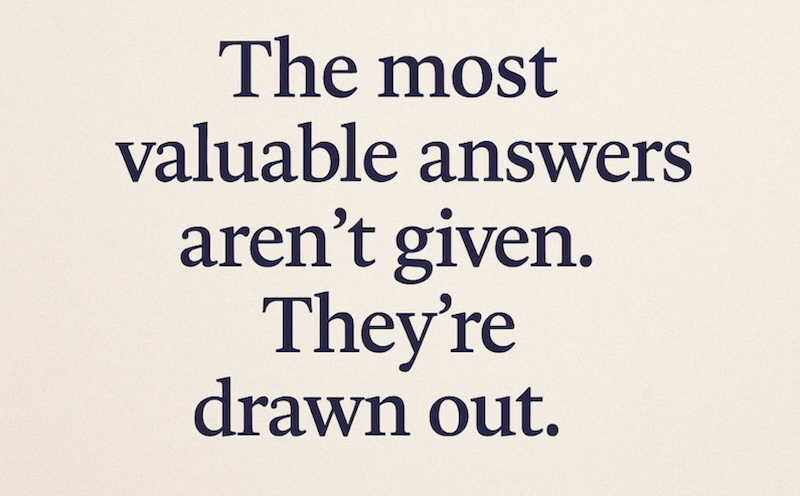
In my experience, the answers that provide real significance and value are usually the result of a deliberate effort to uncover them. Rather than being simply handed over.
The journey itself, greatly increases what you learn.
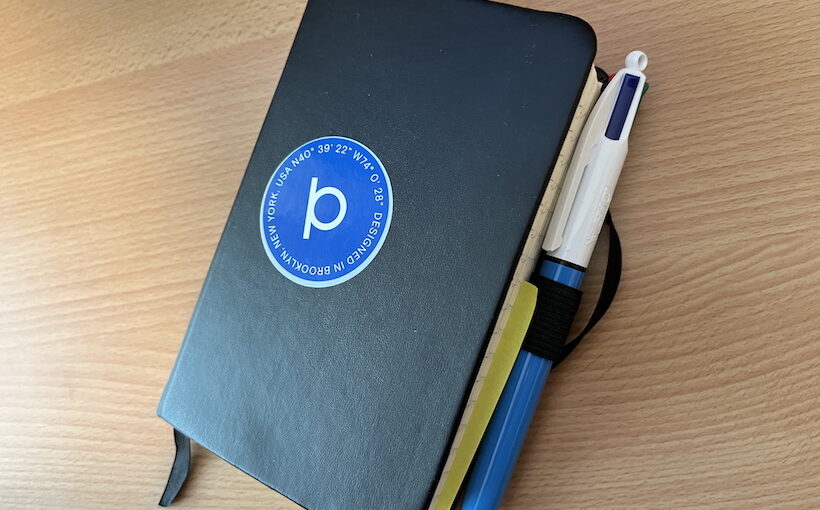
Back in January, I gave a friend of mine a notebook. I have lots of them. Several times in the past he’d said that he finds the way I jot my ideas down interesting. So I grabbed one off the shelf and handed it to him.
Earlier today we had a coffee together and I asked him how he’s getting on with his notebook. He pulled it out of his pocket and he’s already about 60 pages in.
He said an inscription I scribbled onto the back page helped him keep on track. If you want to take useful notes, let them be messy, and honest.
Messy is important. There’s a side of note-taking that’s almost like art. It’s about the aesthetic, rather than the ideas.
Honesty matters, too. What good are dishonest observations and ideas?
The reason so many people avoid making big decisions, is that they’re in a perpetual feedback loop. This leaves them increasingly confused.
If they ask enough people for advice, all that feedback just cancels down into nothing.
Some people tell them this, other people tell them that, and others tell them something different. With every additional piece of advice, making the right decision becomes harder. So, they get some more advice.
Stop.
Try this
Get trusted advice from a select number of experts. Do the numbers.
If it stacks-up, move forward with the decision. And back your decision with the action and enthusiasm required.
If things don’t stack-up, decide to drop it. And move onto your next big decision.
It works.
Not every time.
But enough times to improve your quality of life, for the rest of your life.