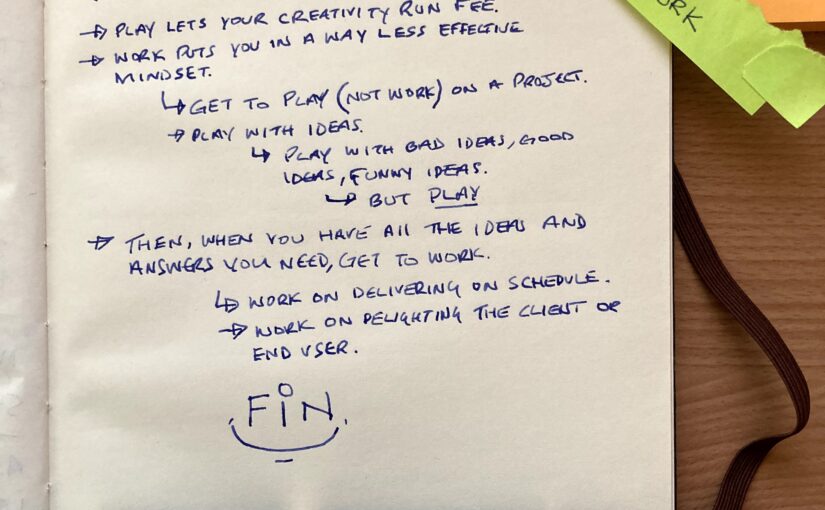
Some of my blog posts start off on paper.
The above never made the cut. So it was never worked on or published.
Oh… wait!
Some of my blog posts start off on paper.
The above never made the cut. So it was never worked on or published.
Oh… wait!
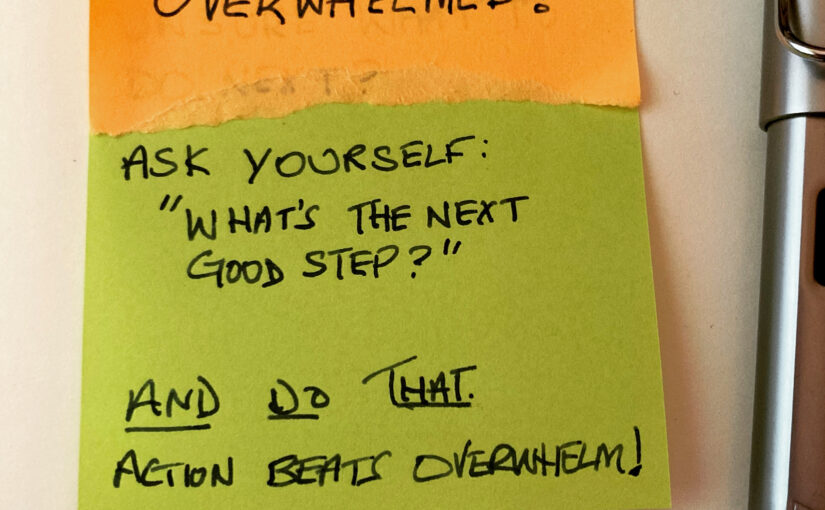
During my early career, there were many times when I felt totally overwhelmed. This could happen when faced with a huge opportunity or a huge challenge. I found the following 2 step process extremely effective, at allowing me to regain control and move forward.
The process of taking action puts you in control. When you’re actively in control, the feelings associated with being overwhelmed become weaker and weaker. I’m NOT a psychologist, but this has been my experience. And over the decades, I’ve shared the process it with a lot of people, many of whom have enjoyed fast, measurable results.
Your mileage will certainly vary, of course. I just hope it helps at least one other person.
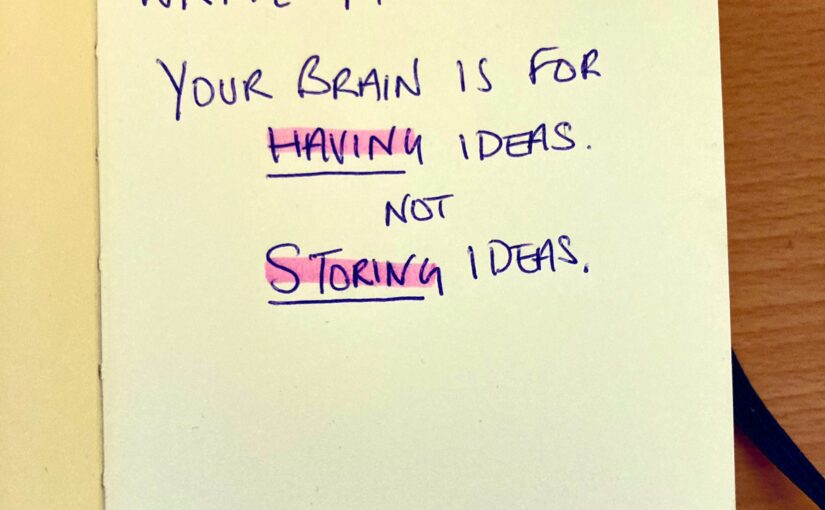
Your brain is for having ideas. Not storing them.
It’s hard to think clearly when you have something on your mind. It’s even harder, when you have a ton of things on your mind.
So, write your ideas down. Then, when you’re looking for inspiration, you know where to look.
I’ve just read “The Hidden Half: How the World Conceals its Secrets”, by Michael Blastland.
And it seems the common ‘nature versus nurture’ debate is critically flawed. The flaw, Blastland posits, is that there’s a 3rd option.
It should be “nature, nurture or neither“.
The book, and a ton of scientific research, shows that genes and environment (combined) only account for around half our outcomes. The remaining half is a chasm of possible factors, which skewers much of the data out there. Data used by health professionals, governments, scientists and just about everyone else.
Rather generously, The RSA has published a video presentation by Blastland, which gives a superb look into his findings (see below). If you enjoy the presentation, you’ll probably find the book interesting too.
It’s an eye-opener, for sure.
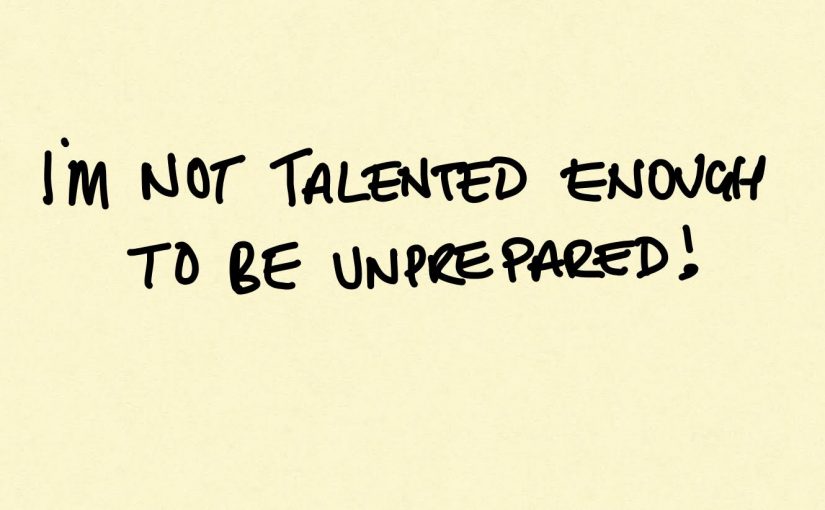
If it matters, it’s worth preparing for.
If it doesn’t, it isn’t.
Parallel lines are always there.
But today, I noticed them.
And after I noticed them, they were everywhere.
I took these shots to get them out of my head.
Growth hacking, the concept of reversing the law of cause and effect, is an appealing idea. It says you can get the reward before, or without, the effort.
Maybe the best example of this flawed approach, is the fad diets industry. These diets promise weight loss, with little or no effort. The reason there are so many of them on the market, is that they don’t work. So advocates jump from failed diet to failed diet.
And as a growing number of entrepreneurs are discovering, growth hacking is just as ineffective when it comes to business success. Hacks to get you noticed, hacks to make you influential, hacks to get rich quick are fatally flawed.
And here’s why.
Business success is all about bringing value to your marketplace. The marketplace demands; honesty, innovation, dedication, reliability, fairness, durability, passion, commitment, professionalism, etc.
By default, anything that can be done by the masses, with a quick hack, lacks that kind of value.
An alternative approach is to learn from the successes of others. Read the books. Do the studying. Do the work. It may not sound as sexy as growth hacking. But it makes more sense than trying to break universal laws.
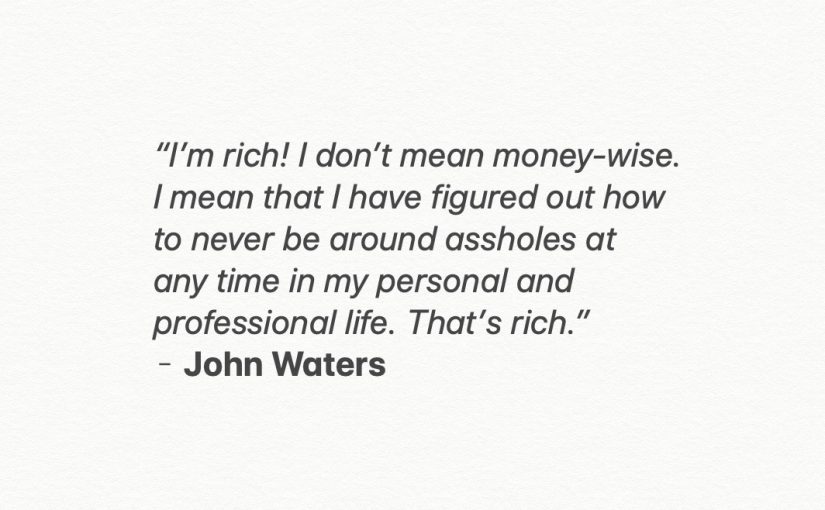
In his graduation speech, John Waters shared some advice on rich people and what he considers the meaning of ‘rich’.
It’s not only extremely funny. Waters makes some very good points, including:
Uh, don’t hate all rich people. They’re not all awful. Believe me, I know some evil poor people, too. We need some rich people: Who else is going to back our movies or buy our art? I’m rich! I don’t mean money-wise. I mean that I have figured out how to never be around assholes at any time in my personal and professional life. That’s rich. And not being around assholes should be the goal of every graduate here today.
John Waters RISD graduation speech.
You can watch the 12 minute speech in full,using the link above.
I’m doing some research for a project and came across the following. It’s from an article on Nudge Theory.
Professor Brian Wansink suggests that “if you describe food with a variety of adjectives – whether they’re geographic or descriptive – it makes the food taste better”.
In Wansink’s study students were asked to rate “bean soup” or “Tuscan bean soup” and the results showed that the broth tasted “8% better when it had those beautiful descriptions.” Every time you choose Alaskan salmon or Cornish cream, you are experiencing Nudge!
Richard Shotton.
It seems the first bite isn’t only with the eye.
So, stop worrying. Just give your business what it needs and it will give you what you need.